
Home › Nutrition Library › From the Land
From the Land · 6 min readEating with the Okanagan seasons
We live somewhere with an absurdly good growing season. Eating with it isn't a lifestyle statement — it's mostly just the cheapest way to eat well here.
Why bother
- It's cheaper. Local produce at its peak is abundant, and abundance is cheap.
- It tastes better, which means you eat more of it. The best way to eat more vegetables is to eat vegetables worth eating.
- It varies your diet automatically — different plants through the year means different fibres and nutrients without having to think about it.
Roughly what's good when
Spring — April to June
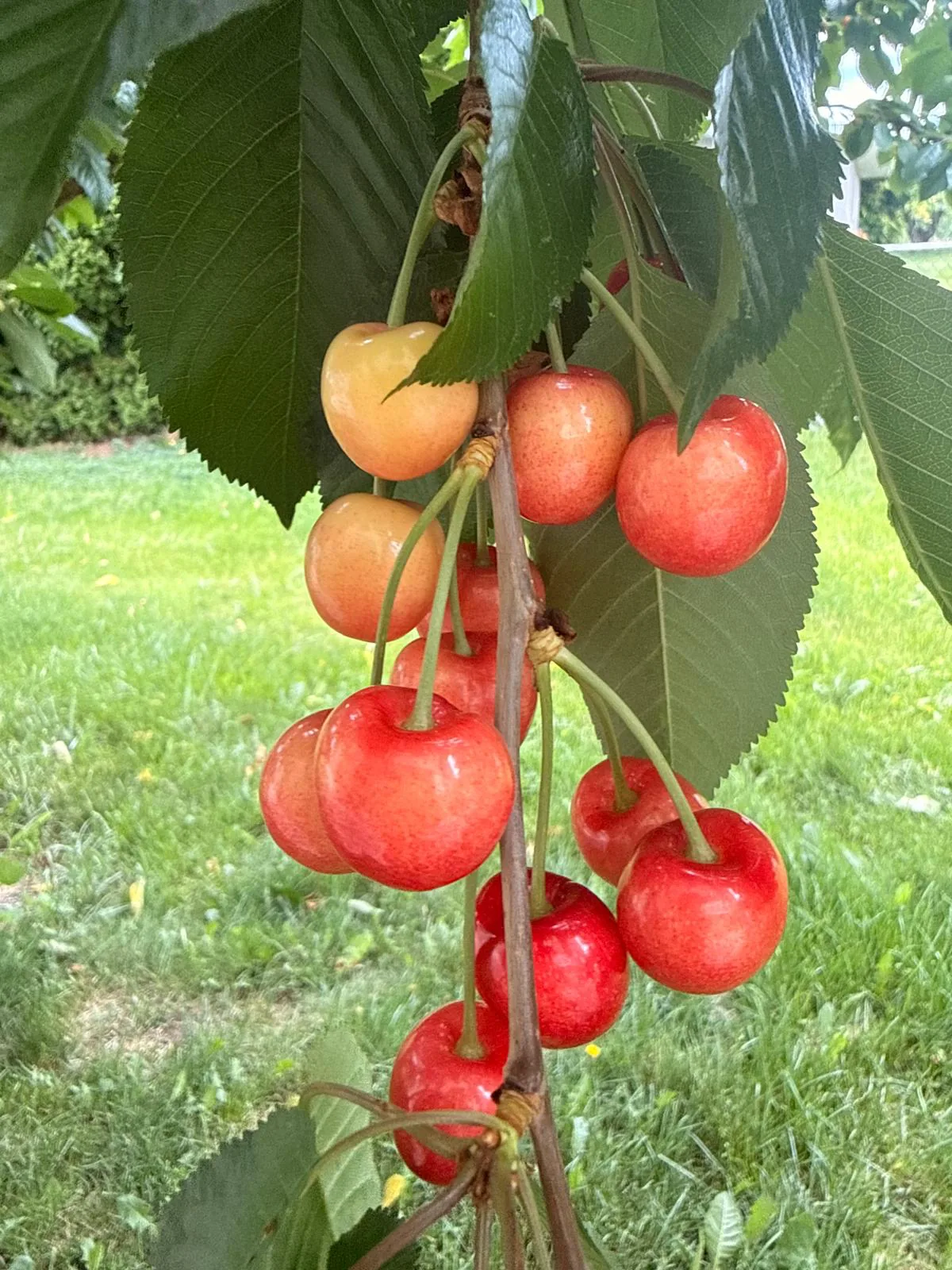
Asparagus, rhubarb, radishes, spinach, salad greens, green onions, early herbs. This is also nettle and dandelion season — nettle tops and young dandelion leaves are at their best before either plant flowers. Then, at the end of it, cherries.

Summer — July to September
Everything. Peaches, apricots, plums, nectarines, blueberries, raspberries, tomatoes, corn, peppers, zucchini, beans, cucumbers, eggplant.
This is the season to over-buy deliberately. An hour in August pays out in January.
Autumn — October to November
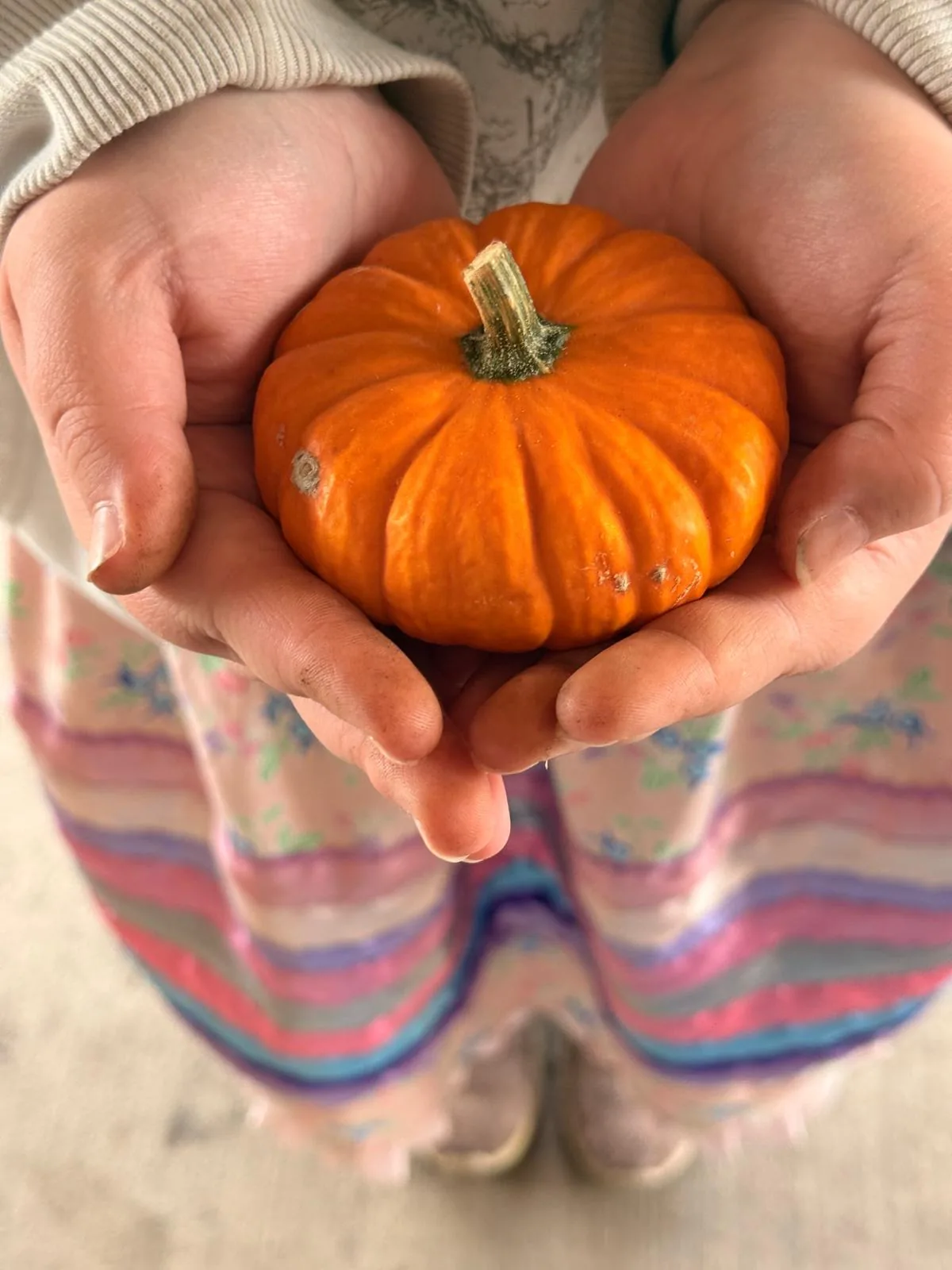
Apples, pears, squash, pumpkin, root vegetables, cabbage, late tomatoes. Rosehips after the first frost, and wild mushrooms once the rain starts. Squash keeps for months in a cool cupboard, which makes it one of the best-value foods in the valley.
Winter — December to March
Stored apples, root vegetables, cabbage, onions, garlic, and whatever you froze.
Winter is also the season to stop being precious about frozen vegetables. They're picked at peak and frozen immediately, and they hold up extremely well — often better than "fresh" produce that has travelled for two weeks.

Making the good months last
- Tray-freezing. Spread berries or sliced peaches on a tray, freeze solid, then bag them.
- Roasting and freezing. Tomatoes, peppers and squash roast down to something concentrated that improves every soup you make in February.
- Quick pickling. Vinegar, water, salt, sugar, into a jar. Ready overnight, lasts weeks.
A note on the winter guilt
Every February someone tells me they've fallen off eating well because there's nothing good in the shops. There is. It's frozen, it's tinned, and it's fine.
The seasonal ideal is a nice thing when it's available and a bad reason to give up when it isn't.
This is general nutrition education, not medical advice, and it isn't intended to diagnose, treat, cure or prevent any condition. If you're pregnant or breastfeeding, taking medication, or managing a diagnosed condition, talk to your doctor or pharmacist before making changes.
Written by Mellissa Wallace, Registered Holistic Nutritionist, Okanagan BC.
More in From the Land
- How to build a balanced plateThe one framework that fixes more meals than any other. Protein, fibre, colour and fat — how much of each, and what it looks like on a Tuesday.7 min
- Why your energy crashes at 3pmBlood sugar in plain language, and the small changes to breakfast and lunch that flatten out the afternoon without more caffeine.8 min
- FibreMost Canadians get about half of what's generally recommended. What fibre does, the two types, and how to add it without wrecking your week.7 min