
Home › From the Land
Seasonal & traditional foodsFrom the Land
Wild plants, seasonal foods and traditional preparations — what they offer nutritionally, how to use them, and where traditional knowledge and modern nutrition meet.
My relationship with food didn't begin in a textbook.
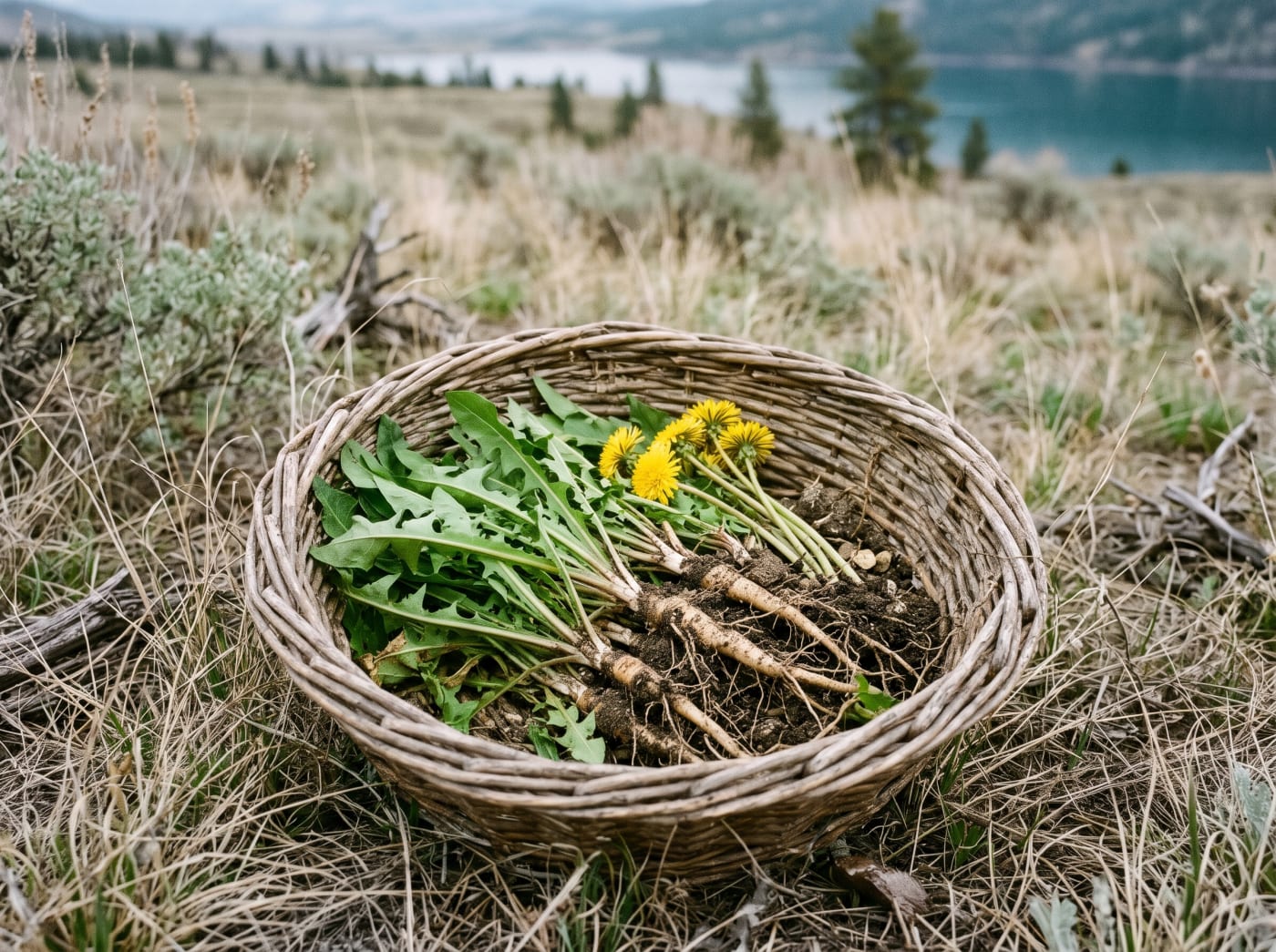
Some of my earliest memories are of gathering foods and plants from the land — digging dandelion roots, eating the leaves, picking nettle, rose hips and yarrow, and learning that what grows around us can nourish us.
Traditional diets contained foods that have become increasingly absent from many modern North American diets: wild plants and berries, roots, seeds, fish and game, broths, fermented and preserved foods, and naturally fibre-rich plants.
This is where I bring some of that back into the conversation — respectfully, practically, and alongside what we now understand about nutrition science. Not because we need to eat exactly as our ancestors did, but because sometimes moving forward also means remembering what we've left behind.
Never eat a wild plant or mushroom unless an experienced person has confirmed the identification in the flesh — not from a photograph, not from an app, and not from this website. Several harmless-looking species are dangerous, and some are fatal. Pick only from clean ground well away from roads, sprayed land and anywhere dogs are walked. Check local regulations, and do not harvest on Indigenous territory or in protected areas without permission.
Salt, time, and microbes doing the work
Kimchi
Cabbage, salt, chilli, time — and a few hundred years of knowing exactly how long. Read the entry → Japan 味噌 No. 11Miso
Soybeans, salt and a mould called koji, left alone for anything from three months to three years. Read the entry → Ethiopia · Eritrea እንጀራ No. 12Injera & Teff
A sour, spongy, metre-wide flatbread that is simultaneously the plate, the cutlery and the meal. Read the entry →Hot water and a plant, which is most of herbal history
Masala Chai
Boiled, not steeped — which is the part almost every Western recipe gets wrong. Read the entry → Europe · naturalised across Canada Verbascum thapsus No. 06Mullein
The tall, felted weed on every roadside — and one of the oldest recorded cough remedies in Europe. Read the entry → Northern hemisphere Achillea millefolium No. 15Yarrow
The feathery-leaved plant on every dry roadside verge, and the one in this collection I would treat with the most respect. Read the entry →The long pot — where cheap ingredients become dinner
Food that grows without being planted
Rosehip
One of the richest sources of vitamin C that grows wild in Canada — and it improves after a hard frost. Read the entry → Wetlands across Canada Typha latifolia No. 07Cattail
Called the supermarket of the swamp — and the entry in this atlas that carries the most serious safety warning. Read the entry → British Columbia · Japan 松茸 No. 08Wild Mushrooms
BC exports thousands of kilos of pine mushrooms to Japan every autumn. Most people here have never eaten one. Read the entry → Everywhere Taraxacum officinale No. 13Dandelion
The plant most people spend money removing from their lawn, and one of the first greens of the year. Read the entry → Temperate worldwide Urtica dioica No. 14Stinging Nettle
It stings until you cook it, and then it is one of the most nutrient-dense greens you can pick for free. Read the entry →The dishes people actually eat on a Tuesday
The Chopped Salad
Cucumber and tomato cut small, dressed with lemon and oil — eaten at breakfast, which is the interesting part. Read the entry → Siberia · Urals пельмени No. 10Pelmeni
Made by the hundred, frozen outside in the snow, and eaten all winter. The original convenience food. Read the entry →Foods of Secwépemcúl̓ecw
These are a few foods that published sources describe as Secwépemc foods. There are 17 Secwépemc communities, and practices differ between them, so each one is linked to the source it comes from. The recipes on this site are modern recipes inspired by foods like these, not traditional recipes.
- Salmon. Fish, mainly salmon, made up roughly a third of the diet, alongside roots and berries and hunted meat. Tk̓emlúps te Secwépemc
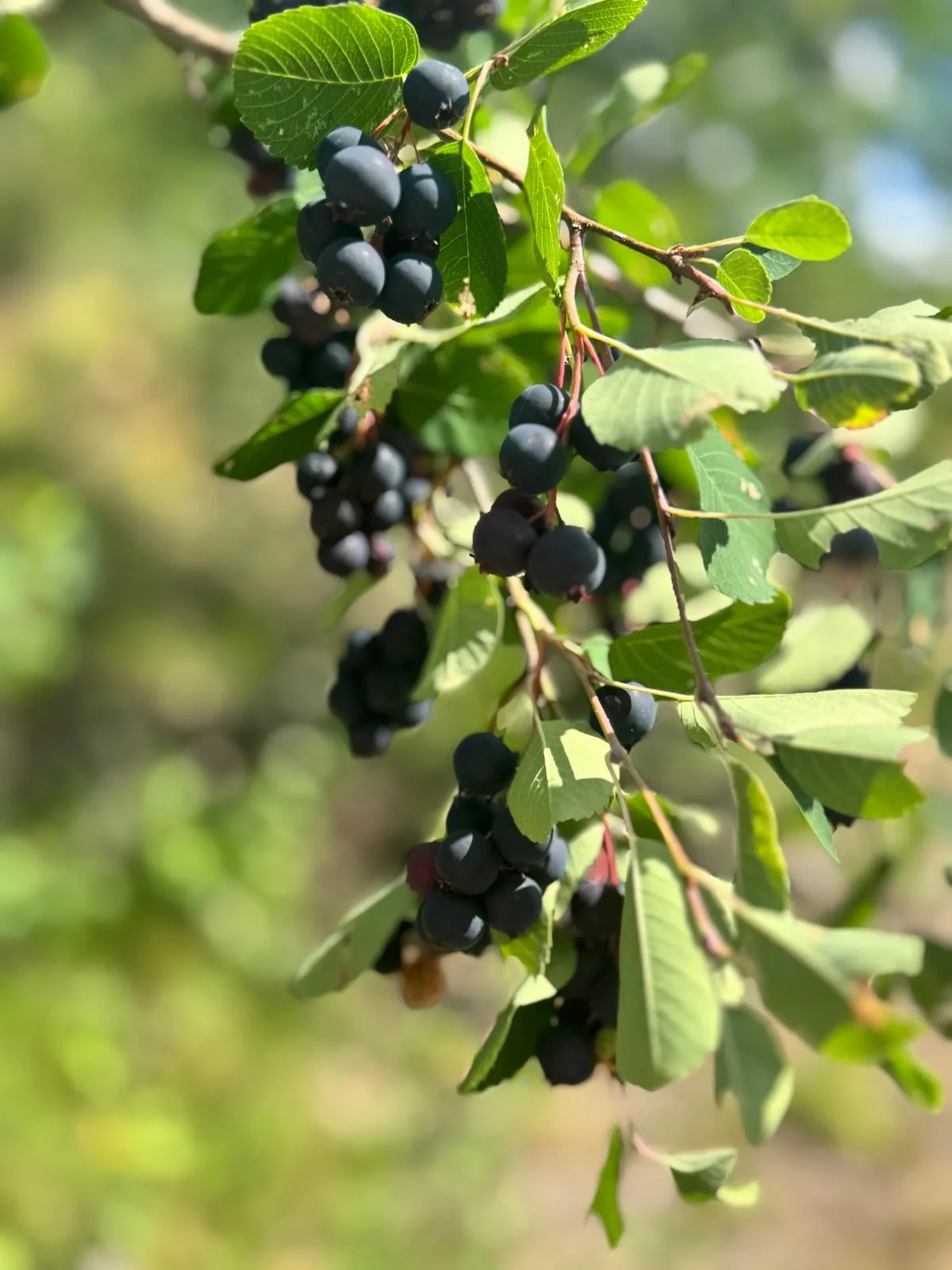
- Saskatoon berries. Among the most culturally significant plant foods, with several types recognised, including speqpequ7w’i. Elizabeth Ts’elpits’e7 Ignace, Skeetchestn
- Mountain potato (western spring beauty, skwakwina). The corms were stored in pits for winter, and the leaves were eaten too. Jim Cooperman, crediting Neskonlith Elder Dr. Mary Thomas
- Balsamroot. Roots were peeled and steamed, roasted or dried, and the seeds were ground into flour. Same source
- Black tree lichen (wile). It was washed, pit-cooked and dried into cakes. This is shared as history only: similar-looking lichens are bitter and toxic. Secwépemc edible plants (archived)
- Black huckleberry. Made into dried cakes or fruit strips, and used to flavour pit-cooked meat. Shuswap Medicine Trail booklet
- Soapberry. Listed among the berries that were picked. Cooperman / Mary Thomas
- Young stinging nettle. Listed as a food. Same source
To learn more, look to Secwépemc-led work such as Secwepemc People and Plants, edited by Marianne Ignace, Nancy Turner and Sandra Peacock, and to the Knowledge Keepers in each community.
Traditional knowledge belongs to the people who developed it.
Where these foods carry Indigenous knowledge, I've said so and pointed to Indigenous-led teaching rather than standing in for it. If you want to learn plants properly where you live, local knowledge holders and mycological societies are a far better route than any website.
Back to the library